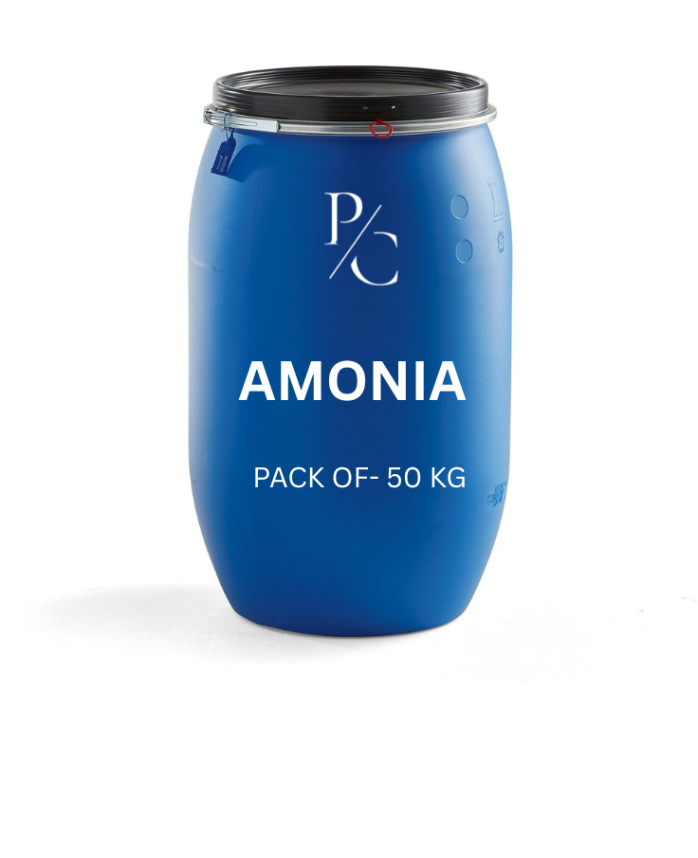
Product Description
About
Ammonia (specifically Liquor Ammonia or Ammonia Solution in the textile trade) is an essential chemical used for scouring, leveling dyes, and in the "mercerization" process to give cotton a lustrous look. It is highly effective but requires the most caution among the chemicals you have listed.
Safety
Severe Inhalation Risk: Ammonia has a very sharp, suffocating odor. Even low concentrations cause immediate throat irritation and coughing. High concentrations can cause "pulmonary edema" (fluid in the lungs), which is a medical emergency.
* Corrosive to Skin and Eyes: Ammonia is an alkaline (basic) chemical. It can cause severe chemical burns on the skin. If it splashes into the eyes, it can cause permanent blindness within seconds.
* Vapor Irritation: The gas released from the liquid is highly irritating to the eyes, causing immediate watering and stinging.
Chemical Hazards
* Explosion Risk: While not as easily ignited as Acetone, ammonia gas can form explosive mixtures with air if it builds up in a closed, unventilated room.
* Reactive Danger: It reacts violently with acids and halogens (like Chlorine/Bleach). Mixing Ammonia with Bleach creates Mustard Gas, which is deadly.
* Corrosive to Metals: It aggressively attacks copper, brass, bronze, and galvanized surfaces.
Storage
Ventilation (Critical): Ammonia must be stored in a very well-ventilated area, preferably outdoors or in a shed with open sides. Vapors must not be allowed to collect near the ceiling.
* Cool Temperature: Store away from direct sunlight and heat. Ammonia drums can build up internal pressure when hot, which may cause the drum to "bulge" or spray liquid when opened.
* Container Compatibility: Use High-Density Polyethylene (HDPE) or Steel drums. Never use copper or brass valves, pipes, or fittings, as they will corrode and leak.
* Segregation: Keep Ammonia strictly separated from all acids, especially Acetic Acid and Nitric Acid, and away from cleaning agents like Bleach.
* Opening Drums: When opening an ammonia drum, wear a full-face shield and open the bung slowly to "bleed off" any built-up gas pressure before removing the cap fully.