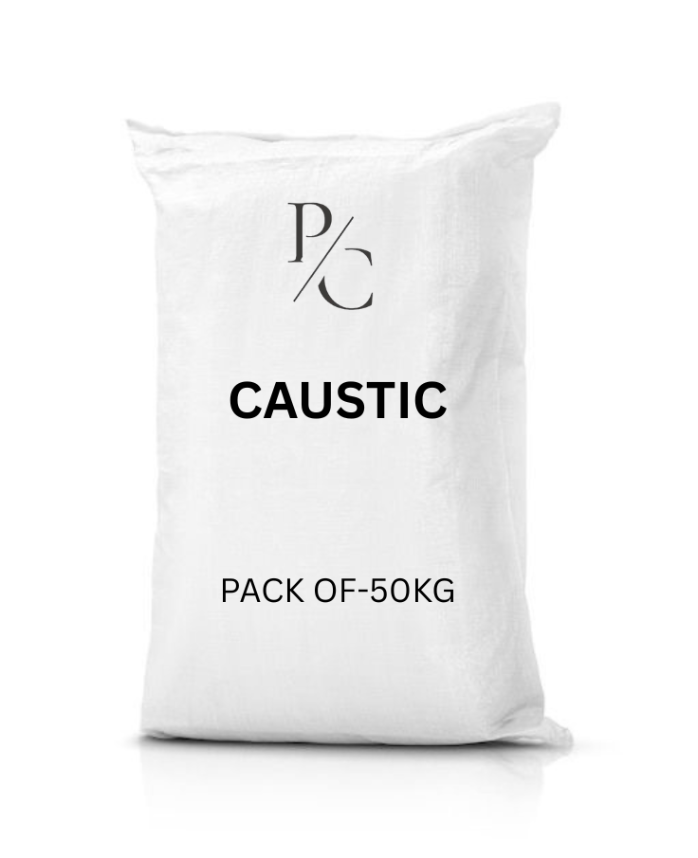
Product Description
About
Caustic Soda (Sodium Hydroxide, NaOH) is one of the most widely used chemicals in the textile industry, primarily for "Mercerization" (improving fabric luster) and "Scouring" (removing natural waxes from cotton). It is a powerful base and must be handled with extreme care.
Safety
Severe Chemical Burns: Caustic soda is highly corrosive. Unlike acids, it "liquefies" skin tissue (saponification), which allows the chemical to penetrate deep into the flesh very quickly.
* Permanent Eye Damage: Even a small splash can cause permanent blindness. It destroys the cornea almost instantly.
* Inhalation: Dust from the flakes or mist from a spray can cause severe irritation to the respiratory tract, leading to a burning sensation in the throat and lungs.
* Delayed Pain: Sometimes the burn doesn't hurt immediately, but the damage is happening. If it feels "slippery" on your skin, the chemical is already reacting with your skin oils.
Chemical Hazards
* Heat of Solution: When caustic soda is added to water, it creates an "exothermic reaction," meaning it generates a massive amount of heat. If added too fast, the water can boil and splash back violently.
* Metal Reactivity: It reacts with metals like Aluminum, Zinc, and Tin to produce highly flammable Hydrogen Gas.
Storage
Moisture Protection: Caustic soda is "deliquescent," meaning it absorbs so much moisture from the air that it will eventually turn into a liquid puddle. Store in a bone-dry, humidity-controlled warehouse.
* Container Material: Store in HDPE (Plastic) or Steel drums. Never use Aluminum or Galvanized containers.
* Stacking: Keep bags on plastic pallets to avoid contact with floor moisture. If a bag at the bottom of a stack breaks, the leaking caustic can "eat" through wooden pallets over time.
* Segregation: Keep strictly away from:
* All Acids: (Acetic, Hydrochloric, etc.) to prevent violent neutralization reactions.
* Flammable Liquids: Keep away from Acetone and Amyl Acetate.
* Water Sources: Ensure the storage area is not prone to flooding or pipe leaks.