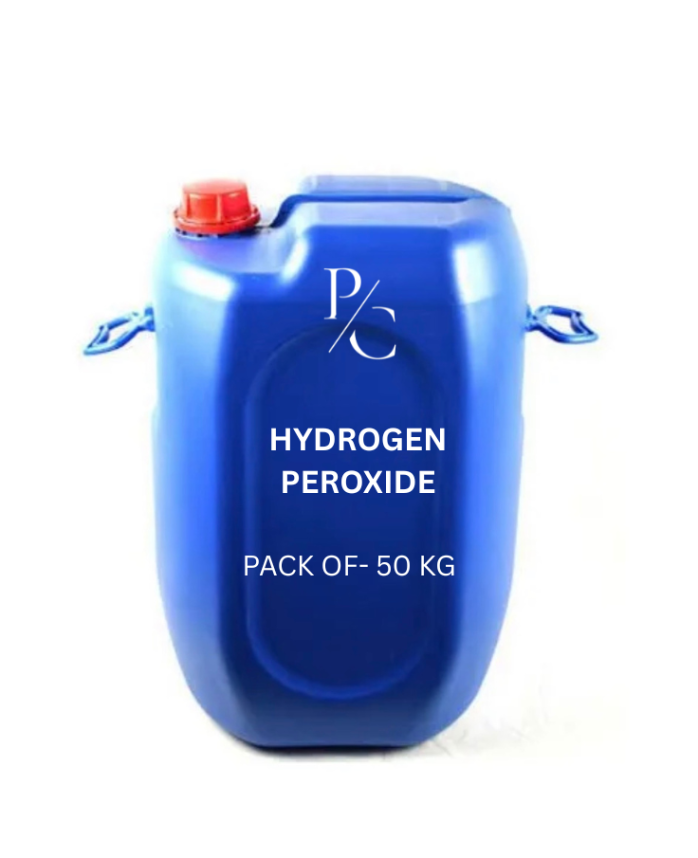
Product Description
About
Hydrogen peroxide is essentially water with an extra oxygen atom. In its pure form, it is a pale blue, clear liquid, though it is almost always used as an aqueous solution.
* Common Concentrations:
* 3% – 10%: Household/Consumer grade (wound cleaning, hair bleach).
* 30% – 35%: Food/Industrial grade (used for sanitizing food packaging or laboratory work).
* 90% +: Rocket propellant grade (highly unstable and dangerous).
* Mechanism: It works by producing free radicals that attack the cell walls of microorganisms and break down the chemical bonds of stains and dyes.
* Common Concentrations:
* 3% – 10%: Household/Consumer grade (wound cleaning, hair bleach).
* 30% – 35%: Food/Industrial grade (used for sanitizing food packaging or laboratory work).
* 90% +: Rocket propellant grade (highly unstable and dangerous).
* Mechanism: It works by producing free radicals that attack the cell walls of microorganisms and break down the chemical bonds of stains and dyes.
Safety
* Personal Protective Equipment (PPE):
* Skin: Wear nitrile or neoprene gloves. High concentrations can cause "white burns" (temporary blanching of the skin).
* Eyes: Always wear safety goggles. Splashes can cause permanent corneal damage.
* Respiration: Use in well-ventilated areas to avoid inhaling vapors, which can irritate the lungs.
* Reactivity: Never mix with vinegar (creates peracetic acid) or bleach (creates oxygen gas so rapidly it can cause an explosion).
* First Aid:
* Skin/Eye Contact: Flush with lukewarm water for at least 15 minutes.
* Ingestion: Do not induce vomiting; seek immediate medical attention.
Storage
* Temperature Control: Store in a cool, dry place away from direct sunlight. Heat speeds up decomposition, which can build up pressure in the container.
* Container Material: Use the original container or high-density polyethylene (HDPE) plastic. Avoid contact with metals (like copper, brass, or iron), as they act as catalysts and can cause a violent reaction.
* Venting: Industrial containers often have vented caps to allow the small amount of naturally occurring oxygen gas to escape. Never seal a concentrated bottle completely airtight if it is not designed for it, as it may burst.
* Separation: Keep far away from flammable materials, organic solvents (like acetone or alcohols), and reducing agents. While hydrogen peroxide is not flammable itself, it provides massive amounts of oxygen that can turn a small spark into an intense fire.